

Undergraduate Major Programs

Food Studies
Gain knowledge to address pressing social and environmental problems in local and global food systems. An interdisciplinary approach that examines how food is connected to culture, society, policy, and the environment prepares students for careers any number of food-related fields, including education, public policy, entrepreneurship, and community development.

Microbiology
Learn how microorganisms interact with their surroundings with diverse coursework in food safety and consumer health; plant pathology and microbiology; environmental microbiology; microbial genomics and biotechnology; and medical microbiology. This program cultivates your expertise in preparation for highly specialized professions from biotechnology to medical science.

Molecular and Cellular Biology
Fast-track towards a graduate degree with courses in genetics, physics, chemistry, hands-on experience in laboratory research, honors thesis work, capstone experiences, and opportunities for full-time, paid summer research opportunities with renowned faculty. Complete an undergraduate and graduate degree with just five years of study through the Accelerated Master's Program.
Plant Sciences
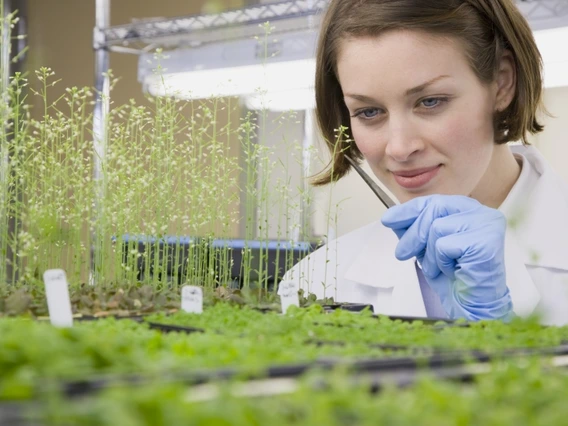
Prepare to make a difference on a global scale as a scientist or leader who understands the importance of plants in sustaining environmental and human health. You'll gain knowledge and skills in biotechnology, genomics, molecular biology, plant propagation and breeding, medicinal chemistry, and other modern approaches to 21st century agriculture.
Plant Sciences
Plant Health Sciences Emphasis
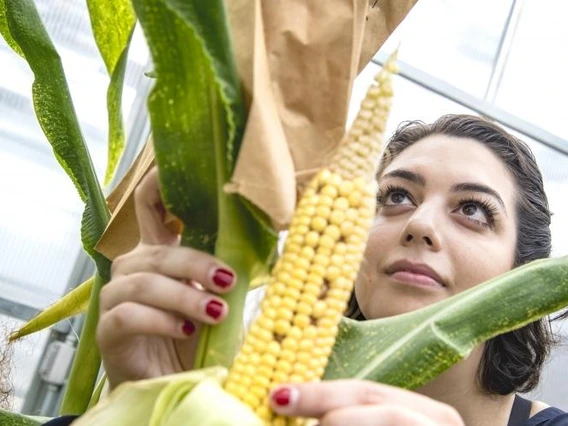
Study impacts to plant health from the molecular and microscopic to the macroscopic, and prepare for a career applying plant, microbial, and insect sciences to predict plant disease; protect plant, environment, and human health; and optimize growth or yields. Work with your academic advisor and faculty mentor to customize your coursework to fit career goals.

Public Health
Global Health Emphasis
Prepare for a career helping to prevent the spread of disease, deploy clean water initiatives, and support communities in times of natural disasters. Explore sanitation, global food supplies, and epidemiology; complete an internship in your area of interest; and field research and service-learning experience in limited-resource settings in a robust study abroad program.
Sustainable Plant Systems
Agronomy and Horticulture Emphasis
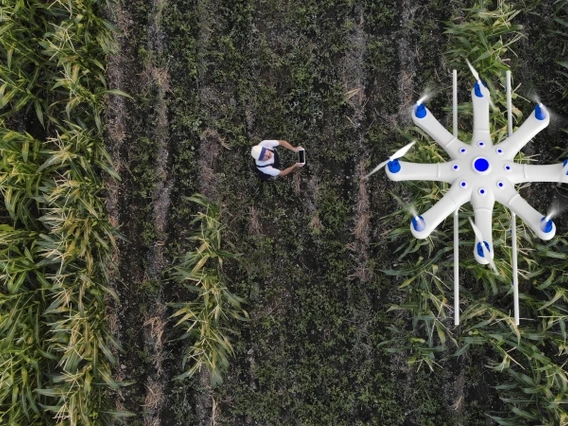
Discover plant systems that maximize production, conserve resources and minimize environmental damage with coursework from basic and applied plant and soil science in small classes and hands-on training. Students focus on developing low-water use and disease-resistant plants that maximize crop yield and plant health in fields where land size constrains production.
Sustainable Plant Systems
Controlled Environment Agriculture Emphasis
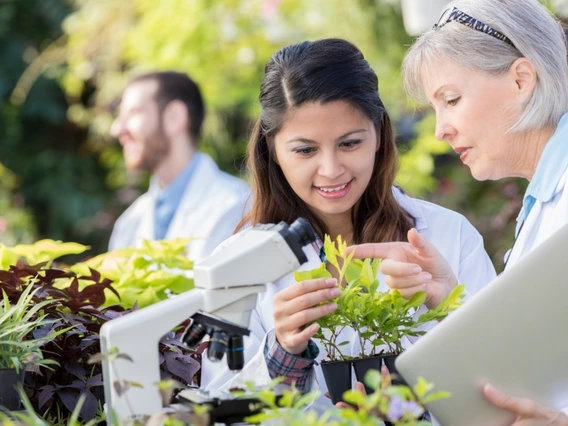
Create sustainable growing solutions that aid in feeding, clothing and fueling our ever-expanding population while ensuring a healthy planet for future generations. Learn how to use environmentally, socially and economically sustainable growing systems in arid lands and urban settings and graduate with a science-based foundation, prepared to advance the industry of modern agriculture.

Sustainable Plant Systems
Fresh Produce Safety
In this Yuma-based program, discover how production chains become contaminated with diseases, and learn Good Agricultural Practices for the harvest of leafy greens and fresh-vegetable food safety. Coursework provides insight into food safety issues, field risk assessments, facility sanitation, and inspection processes, and provide real-life experience applying soil, water and plant sciences to solve problems.

Sustainable Plant Systems
Urban Horticulture Emphasis
Focus on assessing, designing, and managing urban landscapes to reduce environmental impact while promoting human health and economic well-being. Build a solid foundation in plant, soil, and water science; gain practical skills in sustainable agricultural practices; engage in hands-on learning; and graduate fully prepared for a career in urban landscape design and management.
Environmental Themes


Career Fields