

From the Sonoran Desert to the Seas: Water Research for Tomorrow

Embedded in the water scarcity of the Sonoran Desert, the University of Arizona has come to be a leader in water research, analyzing and understanding issues and working alongside community partners to develop on new solutions.
In this article, explore highlights of water research occurring here at the U of A, ranging in scale from local to global, and across disciplines including wildlife, forever chemicals, water rights, and more.
Aquatic Oasis

December 2023
Why would fish biologists find themselves out in the dusty desert? Arizona and the Southwest exhibit a surprising abundance of desert fish and other aquatic and riparian species living in and around precious water sources. Learn about journeys out into the desert for aquatic research and the conservation efforts protecting these diverse and resilient creatures.
Health impacts related to Forever Chemicals linked to billions in economic losses

December 2025
PFAS contamination in drinking water and its negative health effects costs the U.S. $8 billion a year in economic losses, a study by U of A researchers calculated. Through a collaboration between the Eller College of Management and the Department of Hydrology and Atmospheric Sciences, the results indicate that the potential health benefits of PFAS cleanup and regulation may be substantial.
Human use found to outweigh the impact of the climate on the depletion of Arizona’s water supply

October 2025
Groundwater pumping in the Tucson region has depleted local aquifers far more than the desert’s natural climate fluctuations, a study led by U of A researchers found. Learn about how the team reconstructed thousands of years of water recharge history and how these findings can inform water conservation efforts.
Glacial melt is dwindling fresh water supplies as sea levels rise

February 2025
Glaciers are melting 36% faster than they did 20 years ago, losing an average of 273 billion tons of ice per year, according to a new study by an international research consortium that includes scientists from the U of A. The melting is depleting regional freshwater resources and driving global sea levels to rise at ever-faster rates.
New West Center System: Reclaiming water from contaminated brine.

February 2026
As clean water scarcity has increased, efforts to reuse water through processes like reclamation and desalination, paired with water-intensive industries like energy production, produce billions of gallons of brine every day. That’s a lot of water, if it could be cleaned and made usable, writes chemical engineering PhD student Mervin XuYang Lim, who is partnering with the City of Tucson to explore a new system to continuously reclaim municipal brine.
Colorado River crisis looms as states fail to reach an agreement
March 2026
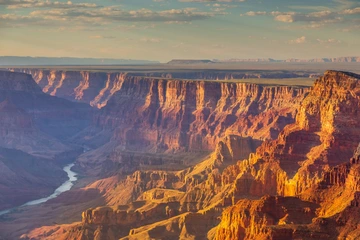
Existing key agreements on the distribution of Colorado River water between the seven states of the basin are set to expire this year. If those states can’t reach a consensus on how to share cuts to their water use by summer, the federal government will step in – and that's bad news for Arizona. Explore key factors of the issue, including its history, concerns with the federally-proposed Basin Coordination Plan, and why states have thus far failed to reach an agreement.